Daylight and fuel before viewpoints
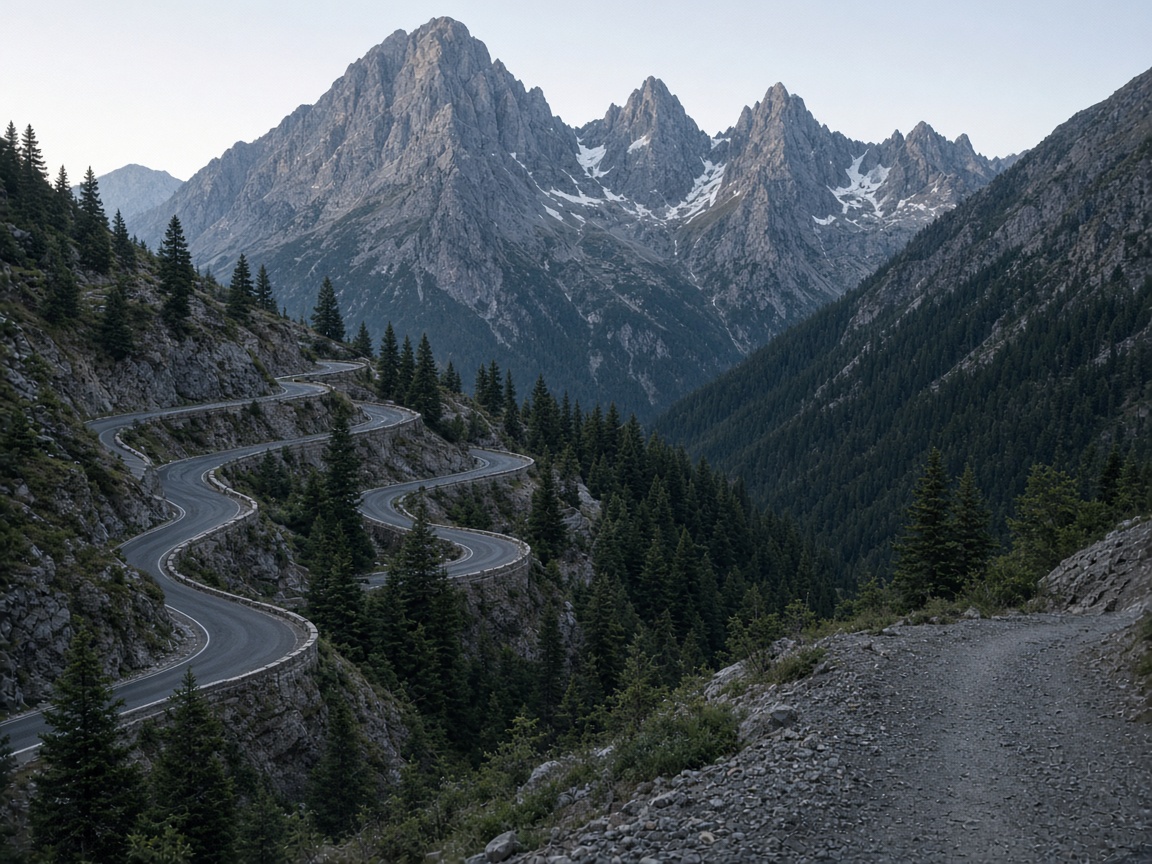
Mountain weather and light change quickly, and a scenic road is a poor place to discover that your plan assumed a longer afternoon than the calendar has. Know the sunset time for that date, the drive duration without photo stops, and where the last reliable fuel is. Build a buffer so you are not descending unfamiliar switchbacks in the dark unless that is a choice you made with a road you already know.
Download offline maps for stretches with weak signal. Note one bailout route back to a larger town if conditions turn. Check the road report for closures, construction, or seasonal gates before you leave the house, and again the morning you start. A beautiful line on a map is useless if the pass is shut. In the United States, the National Weather Service forecast for the specific area is a better source than a city forecast an hour away, because elevation changes the day.
If you flew in to start the drive, the airport choice is part of the daylight math. Landing at a distant field and then driving a pass in the same afternoon is how people meet sunset on the wrong side of the summit. Alternate airports helps you pick the field that leaves enough light, and the car search is where you confirm the vehicle is actually available at that field when you land.
Stops with a job
Pick two or three stops that match the reason you chose the road: a short walk, a viewpoint with safe parking, a town bakery, or a marker you specifically wanted. Unplanned stops can still happen. A shortlist keeps the day from dissolving into every pullout. Prefer stops with a clear entry and exit so you are not improvising a turn on a narrow shoulder.
If people in the car want different things, agree on the must-stop list before the first overlook. The argument is easier in a parking lot at the start than on a curve. One person can care most about a trail, another about lunch. Both can fit if they were named. Neither fits if every turnout becomes a vote.
Parking that is actually a parking spot
A viewpoint is only a stop if you can leave the travel lane completely. If the pullout is full, continue to the next planned stop rather than pausing with part of the car in the lane. The photo is not worth the risk, and the next legal space is usually closer than it feels when you are impatient. Look for the official turnout, not the widest bit of gravel.
Pace, and the drivers behind you
Use turnouts to let faster traffic pass. If you want photos, exit the lane fully. A slow scenic drive is safer and kinder when it does not force everyone behind you into the same speed. Share the driving if you can. Fatigue arrives earlier on a winding road than the mileage suggests, even when the day looks short on a highway map.
Set a latest start time by working backward from sunset and from the lodging check-in, then subtract the stops. If that start time has already passed, cut a stop rather than cutting the daylight buffer. The road will still be there. The light will not wait.
What to have in the car
Layers, water, snacks, a basic first-aid kit, and a charged power bank cover most ordinary surprises. Check tire pressure before you climb. Load and elevation both matter, and a car that felt fine in town can feel different on a long descent. Weather can change away from the city even on a popular route. A little preparation is what lets you pay attention once the drive begins.
Carry a way to pay at small businesses that still prefer cash, and do not assume every overlook has a signal strong enough for a digital ticket or a map refresh. The offline map is the one you will actually use. If you are coming from a flight, pack the layer you will want at the pass in the bag you can reach without unpacking the trunk at the rental lot. The true cost of a fare is relevant here only because a checked bag you cannot open until the hotel is a bag you cannot use on the pass.
Turning around is part of the plan
Decide in advance what would make you turn around: ice you were not expecting, a closure sign, a forecast that moved, or fatigue. Saying it out loud before you start makes the decision easier when you meet it. A mountain drive you abandon in daylight is a success. The same drive finished in conditions you said you would not drive is not a story worth having.
Tell someone who is not in the car which road you are on and when you expect to arrive. That message is dull and useful. Update it if you change the route.
End the day while you still have it
Identify the lodging or campsite check-in window and work backward. The best of these drives leave you with enough energy for the evening rather than a collapse in the car park. If the route is the highlight, resist stacking a second major activity the same night. Let the drive be enough.
Choose the room for sleep after a day of curves, not for a view you will be too tired to use. Quiet, a simple meal nearby, and a clear check-in if you are later than you hoped matter more than a dramatic lobby. The hotel shortlist is the same method, applied to a night that follows a road rather than a city landing. The hotel search is where you look once you know the town you need to reach before dark.
A short list that fits on one card
Sunset time, drive time without stops, last fuel, two or three named stops, the bailout route, and the latest start. If any of those is blank, the day is not planned yet. Two or three intentional stops usually beat a long list, and they leave room for one spontaneous pause that earned its place.
First visits are reasonable with daylight, fuel, an offline map, and a willingness to turn back. The mistake to avoid is starting late and treating every pullout as mandatory. The road is the plan. The overlooks are how you spend it, not a quota.
If you are sharing the car, agree on who watches the clock. One person can enjoy the view while another keeps the sunset time and the fuel stop honest. That split prevents the day from sliding later with every good photograph. It also means the decision to skip a stop is made by the plan you wrote in the morning, not by whoever is most disappointed in the moment.