A small loop, not a conquest
After a travel day, your attention wants novelty and your body wants something predictable. A thirty-to-sixty-minute loop from the lodging satisfies both. You are looking for a market or grocery, a transit stop, a bakery or simple meal, a pharmacy, and one place you would be glad to return to. That is the whole assignment.
Keep the walk close to the base. Familiarity is the goal, not a list of sights. If mobile data is slow, a screenshot of the area map, saved before you landed, is enough. If you cannot check in yet, confirm where the bags can wait and still walk the loop from the lobby or a nearby cafe. The city starts to feel knowable from the door you will use all week.
The loop only works if the lodging itself was chosen for this kind of arrival. A beautiful room with a confusing transfer burns the afternoon before you take a step. A hotel shortlist that respects arrival day is the decision that makes this walk possible.
Food and water before curiosity
Buy water and a simple snack even if you have dinner plans. Hunger plus a new street map produces expensive convenience-store regret and short tempers. If the cafes feel like too many decisions, a grocery run is a calmer first success. You can be ambitious about dinner tomorrow.
Note opening hours for the next morning so breakfast is not a search on short sleep. If you have allergies or a dietary need, identify one reliable option near the hotel before you wander farther. That option is a safety rail, not a comment on the city's food.
Money and a way to pay
Notice whether the corner shop wants cash, a transit card, or a contactless payment you already have. Figuring that out on a two-minute purchase is better than figuring it out when you are late for something you care about. If you need local cash, do it on this loop, in daylight, at a machine on a busy street, and skip any offer of help from a stranger who approaches the machine.
One transit move you can repeat
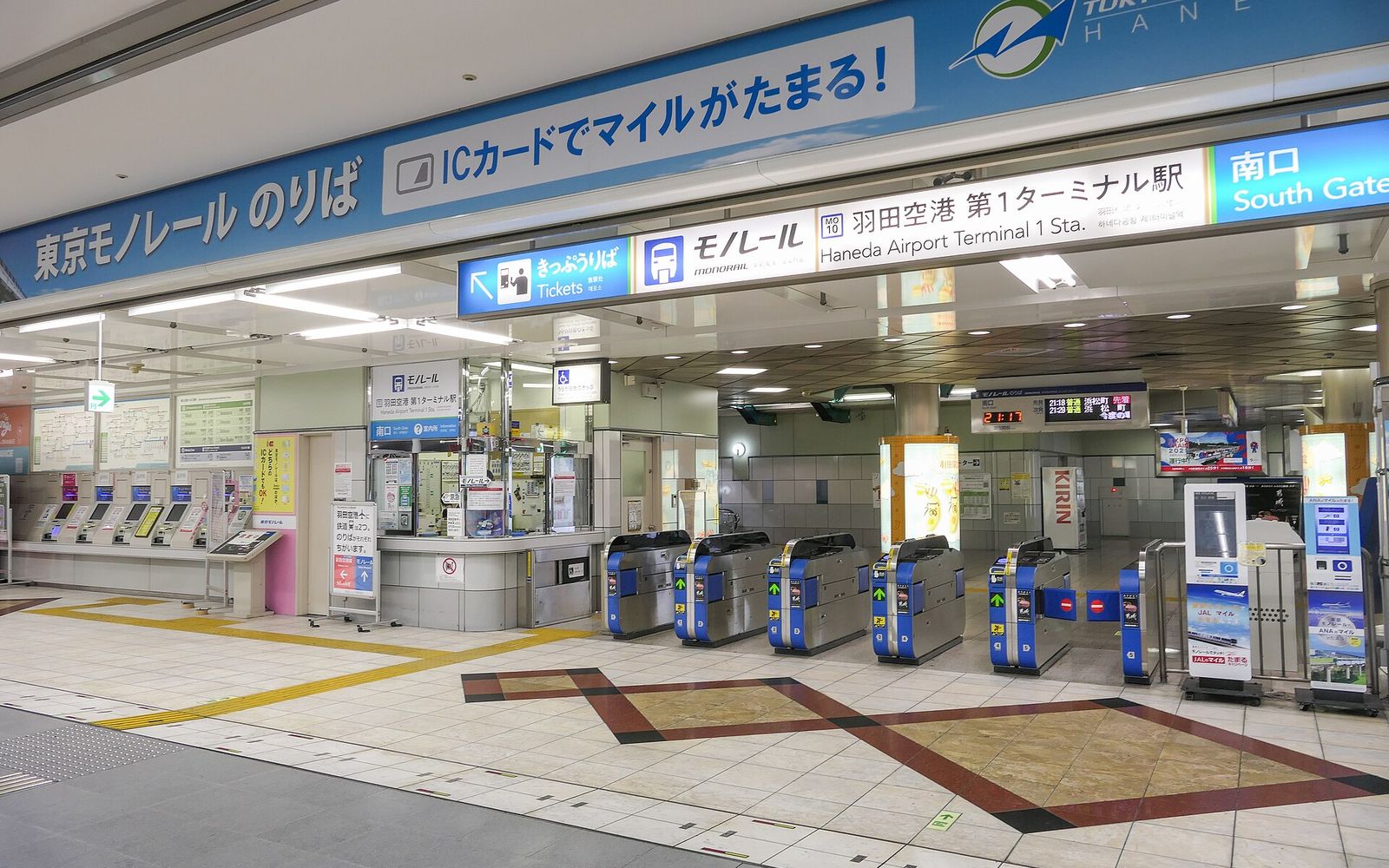
If the city uses a card or an app, set it up on day one with a short, low-stakes ride or even a walk to the stop and a look at the map. Understanding how to get back to your base reduces the background worry that otherwise colors the trip. Save the lodging address offline and drop a pin. Ask the front desk how the neighborhood is said out loud. Pronunciation helps a driver or a ticket agent help you.
You do not need the whole network. You need the line or the walk that returns you to the room, and a sense of which direction is 'toward home' when you are tired. The rest can wait for a morning when you slept.
Leave the masterpiece for a full day
The major museum, the palace, or the viewpoint with the long approach will still be there tomorrow. Spending the arrival afternoon on it is how people exhaust the energy they needed for the rest of the trip and then describe the city as tiring. Use the first hours to orient. Use the next full day for the headline visit, with tickets you bought when you were awake enough to read the time slot.
If the time change is heavy, a shower, the short loop, and an early night can be the most useful sightseeing available. Forcing a full itinerary onto a body that wants sleep does not make the trip more successful. It makes the second day worse. The long-weekend shape puts this same idea on Friday night: arrival is not a second Saturday.
Late arrivals and early ones
If you land at night, prioritize a safe transfer, check-in, water, and sleep. Save the loop for morning light. Walking an unfamiliar neighborhood because a plan said you should is not orientation. It is stubbornness. If you land in the morning with hours of daylight and you feel steady, the loop is enough. Add a sit-down meal only if it is inside the same small radius.
Jet lag is a reason to shorten the loop, not a reason to replace it with a packed tour. If you are too unsteady to walk, rest. A very short loop later is still useful. A tour that cannot be paused is not.
A note that makes tomorrow easier
Write three lines before you sleep: what felt easy, what felt confusing, and one place to return to. That note is tomorrow's starting point. It turns the first afternoon into information instead of a blur. Share it with the people you are traveling with so day two begins from the same picture.
The confusing line is the useful one. A transit gate you could not operate, a street that looked alike in both directions, a shop that closes earlier than you hoped. Fix that one thing in the morning. Do not try to fix the whole city.
Safety that does not require a special mood
Tell someone your lodging address. Keep the phone charged enough for a map and a ride back. Prefer streets with other people while you are still learning the area. You do not need a dramatic briefing. You need the ordinary habits you would use in any city you do not know yet, applied before you are tired rather than after.
If the trip includes a flight home with a connection, do not spend the first afternoon reconstructing that connection. You should have judged it before you bought it. How to judge a layover is the pre-trip version. The afternoon is for the streets outside the door.
What you can skip downloading
A tourist-office map is helpful if you pass one. A dozen city apps are optional. Your feet and a small radius teach the neighborhood faster than another install on hotel Wi-Fi. If you want a tool, make it the offline map and the transit card. Then go outside.
The journal has other planning notes for before you leave. None of them need to be completed on the sidewalk. The first afternoon is finished when you can find your way back, you have water, and you know where breakfast is. That is a complete success for day one.
If the loop takes less time than you expected, resist filling the gap with a sight across town. Sit down, look at the note you just wrote, and let the rest of the day be unstructured on purpose. Spare time on arrival is not a failure of planning. It is the reason the next morning can start without a rescue.