Name the job before you open a map of pools
Are you booking a place to sleep, a special-occasion stay, or a property that is itself the day? Those jobs filter amenities differently. A sleep base needs quiet, a way to darken the room, and an easy path from the station or airport. A resort day can trade location for the facilities you came to use. A photogenic pool is not a job description.
Write the job in one line before you open a booking site. It keeps the most photographed option from beating the option that fits the trip. Couples, solo travelers, and families often need different jobs even in the same city. Align the line with who is traveling.
On a short trip the job is usually sleep plus a walkable evening. On a longer stay you can trade a farther room for space. The long-weekend framework fails when the lodging fights the edges of the trip, so the job and the itinerary should be written in the same sitting.
Score the arrival, not the brochure
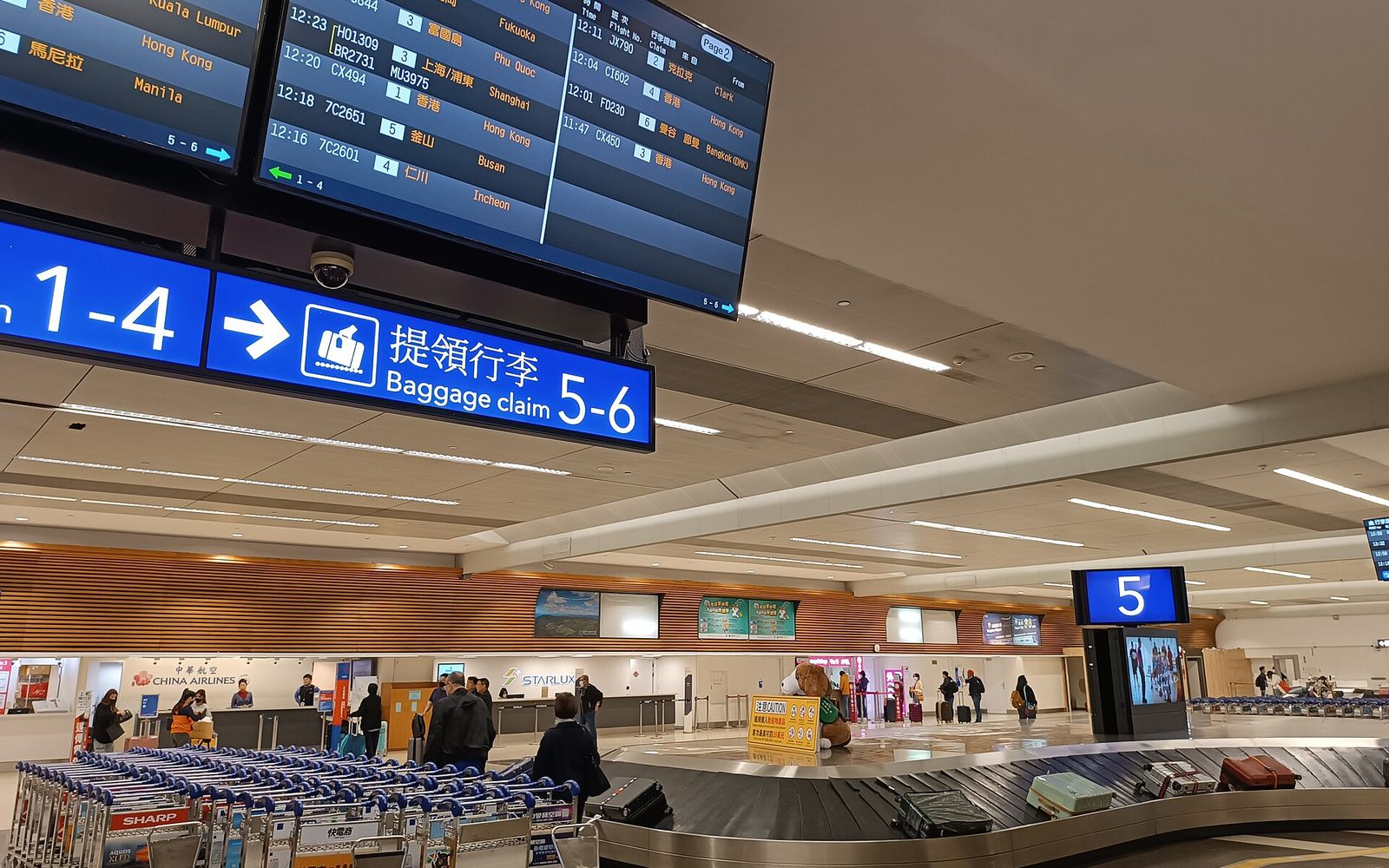
Late arrivals need a staffed desk or clear instructions, a place for luggage if you land before the room is ready, and a transfer you can actually make at that hour. Early departures need breakfast that exists when you leave, or a plan that does not depend on it. A beautiful property that fails the arrival day creates an expensive first impression and a worse last morning.
Map the route from the airport or station once, including the last train or the taxi queue at your real landing time. If every finalist requires a complicated transfer, change the neighborhood rather than blaming yourself for being tired. Message the property about a late arrival before you book if the listing is vague. A clear answer is part of the product.
The first hour, written out
From the curb to the bed: how you pay for the transfer, whether you need cash, which entrance to use if the building has more than one, and what happens if the flight is two hours late. If you cannot answer those from the listing and a map, you do not have a shortlist yet. You have a set of photos. The first afternoon in a new city starts from this hour. If the hour is confused, the afternoon will be too.
Sleep is a feature you can check
Read recent comments for noise, temperature control, and the bed, and weigh them against the location you need. A street-facing room in a nightlife district can undo an otherwise perfect address. Ask for a quiet room when you book and again when you arrive. Earplugs are cheap insurance. They should not be the only plan.
Photos rarely show the bar downstairs or the thin wall against the next room. If recent notes mention that problem and sleep is the job, choose another finalist. Sleep is hard to repair after you have paid a rate you cannot cancel. Floor and courtyard orientation are reasonable questions. 'Any room' is how people end up above the entrance.
Three finalists, then stop
Compare three properties on the price for your dates, the cancellation terms, and the one thing you refuse to compromise. More than three usually adds anxiety without better information. A central base can be the right call for a short city break. A quieter base can be the right call for a longer rest. Neither is universally correct, which is why the one-line job matters.
Review the room type, not just the property. A rate that looks low can be a room without a window, a shared bath, or a building annex a long walk from the desk you thought you booked. Read the supplier's conditions before you pay. The hotel search shows options. The listing text is where the job is confirmed or contradicted.
Cancellation as part of the price
A refundable rate costs more because it is a different product. It is worth paying for when the flights are still in motion, when you are waiting on someone else's dates, or when the trip is easy to disrupt. A nonrefundable rate can be reasonable when the dates are fixed and you have already accepted that you will go. Read the deadline. 'Free cancellation' that ends tomorrow is not flexibility for a trip next season.
If the flight is the uncertain piece, look at the fare rules beside the room rules. A flexible room and a restricted flight, or the reverse, is a mismatch. How to read a fare keeps the airfare side from being a separate hobby while you scroll rooms.
Neighborhood, walk, and the morning after
Stand the property on a map next to the one place you most want to be in the morning. Count the walk in minutes you would still accept with luggage or in the rain, not in ideal weather. A twenty-minute walk that looked pleasant on a photo tour can be the wrong base if you will do it twice a day with children.
Food within a short walk matters on arrival night, when you will not want a project. Note one simple option before you book, even if you hope to eat somewhere more interesting later. The interesting meal can be a choice. The simple one is the backup that keeps the first night kind.
Book it, then leave the other tabs
Once the room is reserved and the conditions match the job, stop browsing replacements unless a material fact changes: a construction notice, a review that reveals a problem you care about, or a flight that now arrives at a different airport. Second-guessing is a different activity from traveling, and it steals the time the shortlist was meant to save.
If you are tempted to reopen the search, reread the one-line job and ask whether the new tab beats it on arrival, sleep, or the walk you already measured. A lower rate in a different neighborhood is not automatically a better shortlist. It is a new trip. Treat it as one only if the flight times still work and you are willing to redo the transfer check. Otherwise the reservation you have is the decision, and the other photos can wait for a different set of dates.
If the schedule does change in a way that makes the room wrong, use the cancellation terms you already read. Do not discover them on the morning you need them. For the flight side of that change, U.S. refund rules explain when the airfare itself comes back, which is a separate question from whether the room does.