Start here
On most U.S. airlines, you can fly with a child under two on your lap. The Federal Aviation Administration, though, says the safest place for a young child on a plane is in an approved child restraint, in a seat of their own. Lap or seat, the choice is yours. Here's how to make the seat work without a fight at the gate.
What the FAA recommends
The FAA strongly urges parents to secure children in a government-approved child safety restraint system (CRS) or device for the whole flight instead of holding them on a lap. The reasoning is simple: in unexpected turbulence, an adult can't reliably hold onto a child.
How to tell if your car seat is approved
Look for the label before you leave home. The FAA's "Flying with Children" page tells parents to confirm the seat has "This restraint is certified for use in motor vehicles and aircraft" printed on it, or that it is approved by a foreign government and carries the required label or marking. Check the sides and back of the seat, and take a photo of the label in case anyone asks at the gate.
If your seat doesn't have the label, the crew may refuse it.
What is not allowed
During taxi, takeoff, and landing, the FAA doesn't allow:
booster seats,
harness vests,
lap belt extensions that loop around a child on an adult's lap.
You can usually check or stow a booster seat, but a child can't sit in one during those phases of flight.
Lap children under 2
Federal rules let a child under 2 fly on an adult's lap. Under 14 CFR 121.311, an adult sitting in an approved seat has to hold the child, and the child can't use any restraining device of their own. That's the reason belly belts, the kind that loop around a lap child, aren't allowed during taxi, takeoff and landing.
Allowed and recommended are two different things, though. The FAA says the safest place for a child under 2 on a U.S. airplane is in an approved child restraint system or device, not on a lap. An adult's arms can't hold a child securely, especially in turbulence that arrives without warning.
If the price of an extra seat is what will decide it for you, call the airline before you fly. Ask about its policy for lap children and car seats, and ask whether it offers any discount on a seat for a child under 2. Get the answer before you reach the gate, and plan as though you'll be holding your child for the whole flight. And if your child turns 2 between the outbound and return flights, expect to buy a seat for the return: JetBlue, for one, says a seat must be purchased for that leg and suggests booking two one-way tickets.
Booking and seating tips
Buy the child a seat. You need a ticketed seat to use a car seat on board. Some airlines offer discounted fares for children under two, so ask before you book.
Choose a window seat. Airlines generally won't allow a car seat where it would block another passenger's way to the aisle, and exit rows are off limits.
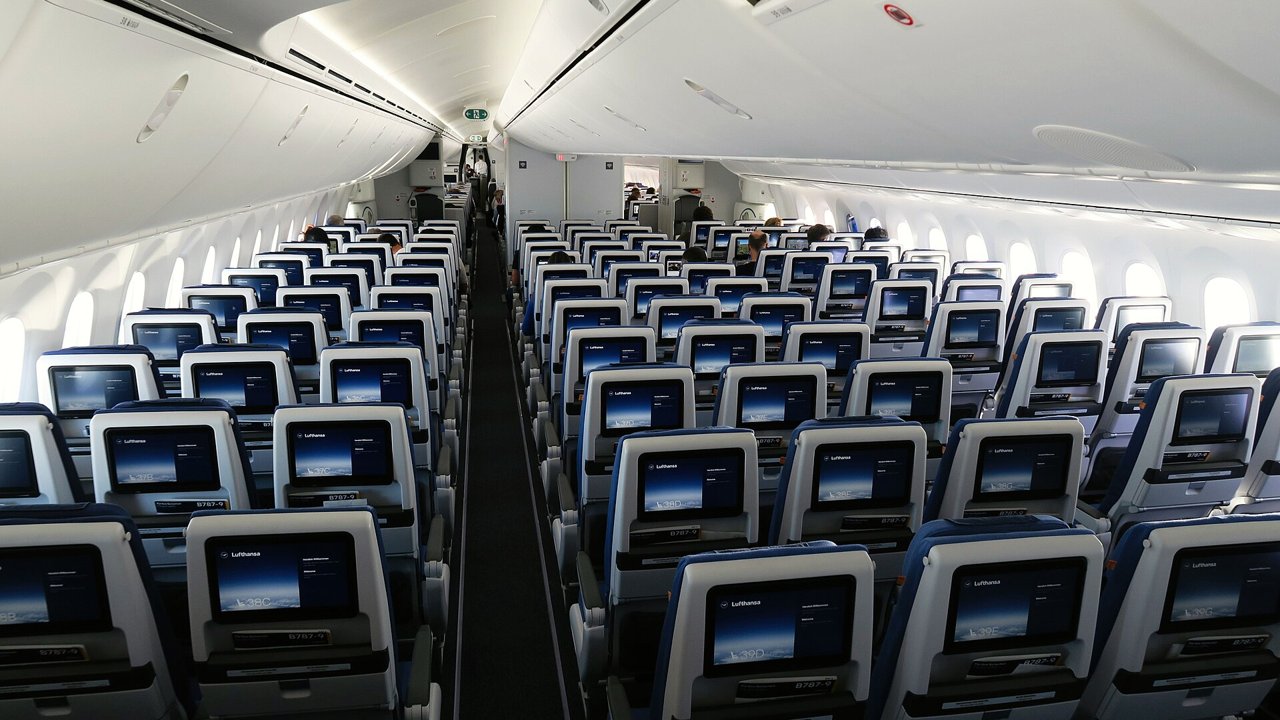
Measure the seat. Very wide car seats may not fit in some airplane seats. If you can, compare your car seat's width to the airline's published seat width.
Rear-facing or forward-facing: follow the car seat maker's instructions for your child's size. Some rear-facing seats won't fit if the seat in front of you reclines.
Will your seat fit?
Width is the most common surprise at the gate. FAA guidance for parents says a child car seat no wider than 16 inches should fit in most airplane seats. Many convertible car seats are wider than that, so measure yours at its widest point, usually the cup holders or side wings, before you book.
Some airlines publish seat widths for each aircraft type, and federal regulators have looked at making that information easier to find so families can check before they fly. If your seat is close to the limit, a window seat on a wider aircraft gives you the best chance. You can also call the airline and ask which aircraft is scheduled for your flight.
The harness alternative: CARES
The FAA-approved CARES harness is an option for toddlers who have outgrown a rear facing seat but are still small. FAA approval covers children who weigh 22 to 44 pounds, are 40 inches tall or less, and can sit upright on their own. It loops around the back of the airplane seat and works with the airplane's lap belt, so it is light and fits in a diaper bag. One limitation matters a great deal: CARES is approved for aircraft only, not for cars. If you will need a car seat at your destination, you will still have to bring one or rent one there.
Getting through security and boarding
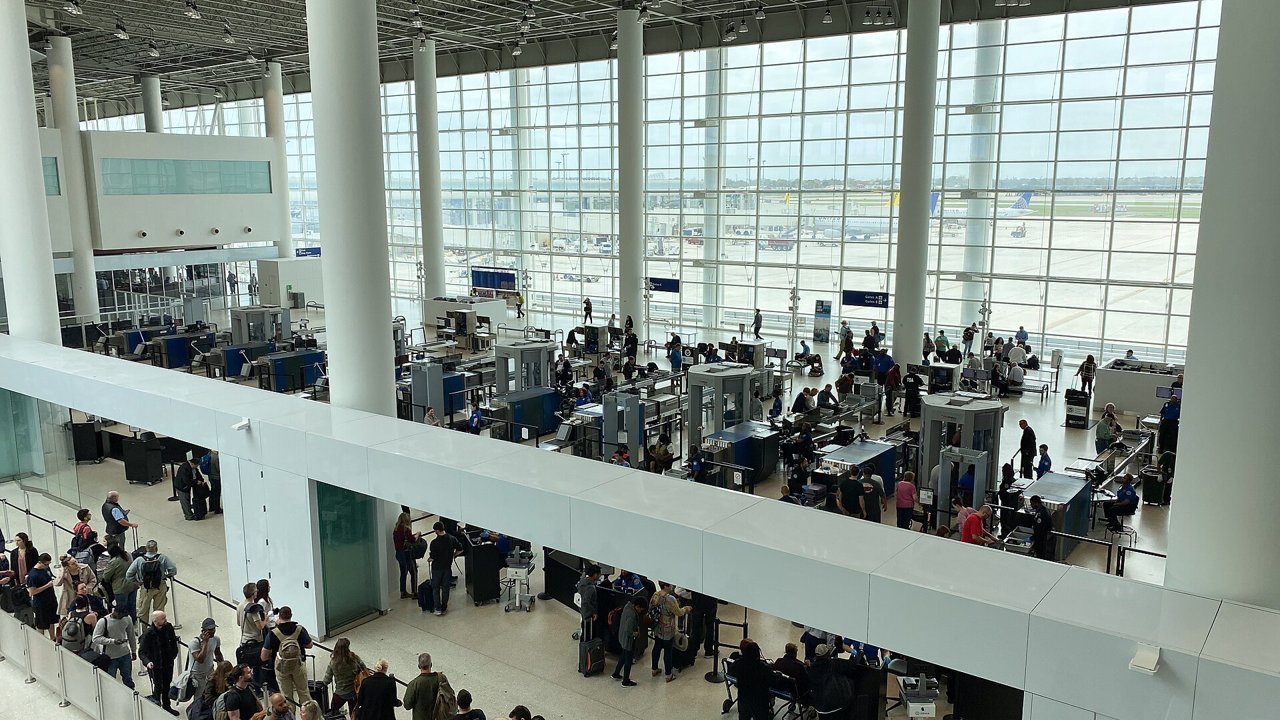
Car seats go through the X-ray machine at the checkpoint just like a carry-on. Large ones may need to be inspected by hand if they do not fit. Allow extra time, especially if you are also managing a stroller and liquids for a baby. A lightweight cart, or a strap that clips the seat onto a rolling suitcase, makes the walk to the gate a lot easier.
Many airlines let families with young children board early. Take it if you are installing a car seat: threading the airplane lap belt through the seat's belt path is much easier without a line of passengers waiting behind you. Have the car seat's manual or a photo of the aircraft installation instructions on your phone, since airplane installation usually uses the lap belt path, not the LATCH connectors you use in a car.
Flight attendants and your rights
Flight attendants are responsible for cabin safety and may check that your seat has the required label and is installed correctly. If there is a disagreement, politely point to the label and the FAA's guidance. Under 14 CFR 121.311, a U.S. airline may not stop a parent from using an approved, properly labeled child restraint when the child has a ticketed seat (or the airline makes one available) and the restraint is properly secured, though the airline can decide the most appropriate seat for it, such as not in an exit row.
A quick pre flight checklist
Confirm the red FAA approval text is on the seat.
Measure the seat's width and compare it with your airline's published seat width.
Book a window seat for the child, outside any exit row.
Save the car seat manual's aircraft installation page on your phone.
Ask about early boarding at the gate.
Practice a lap belt installation at home so it is quick on board.
If you decide not to bring one
Many families simply check the car seat and use it at their destination. If you go that route, think about a padded bag, and keep in mind that checked seats can get handled roughly. Some safety groups recommend inspecting a checked car seat for damage before you use it in a car.
Sources
- Federal Aviation Administration, "Child Safety" tips
- FAA, "Kids' Corner" (CARES: up to 40 inches tall, 22 to 44 pounds)
- National Highway Traffic Safety Administration, car seat guidance
- Federal Register, "Disclosure of Seat Dimensions To Facilitate Use of Child Safety Seats on Airplanes During Passenger Carrying Operations" (September 30, 2015)
- eCFR, 14 CFR 121.311, Seats, safety belts, and shoulder harnesses
- FAA, "Flying with Children"
- JetBlue, "Traveling with Lap Infants"